Saberra Translate: free offline conversation translator
A free Android app that translates spoken conversations both ways with no internet. Pick two languages or let it auto-detect, press start, and talk.
Read more
Start here if your team keeps re-deciding the same issues, losing tasks after meetings, searching for old context, rebuilding what someone used to know, or wondering why Notion never stays current.
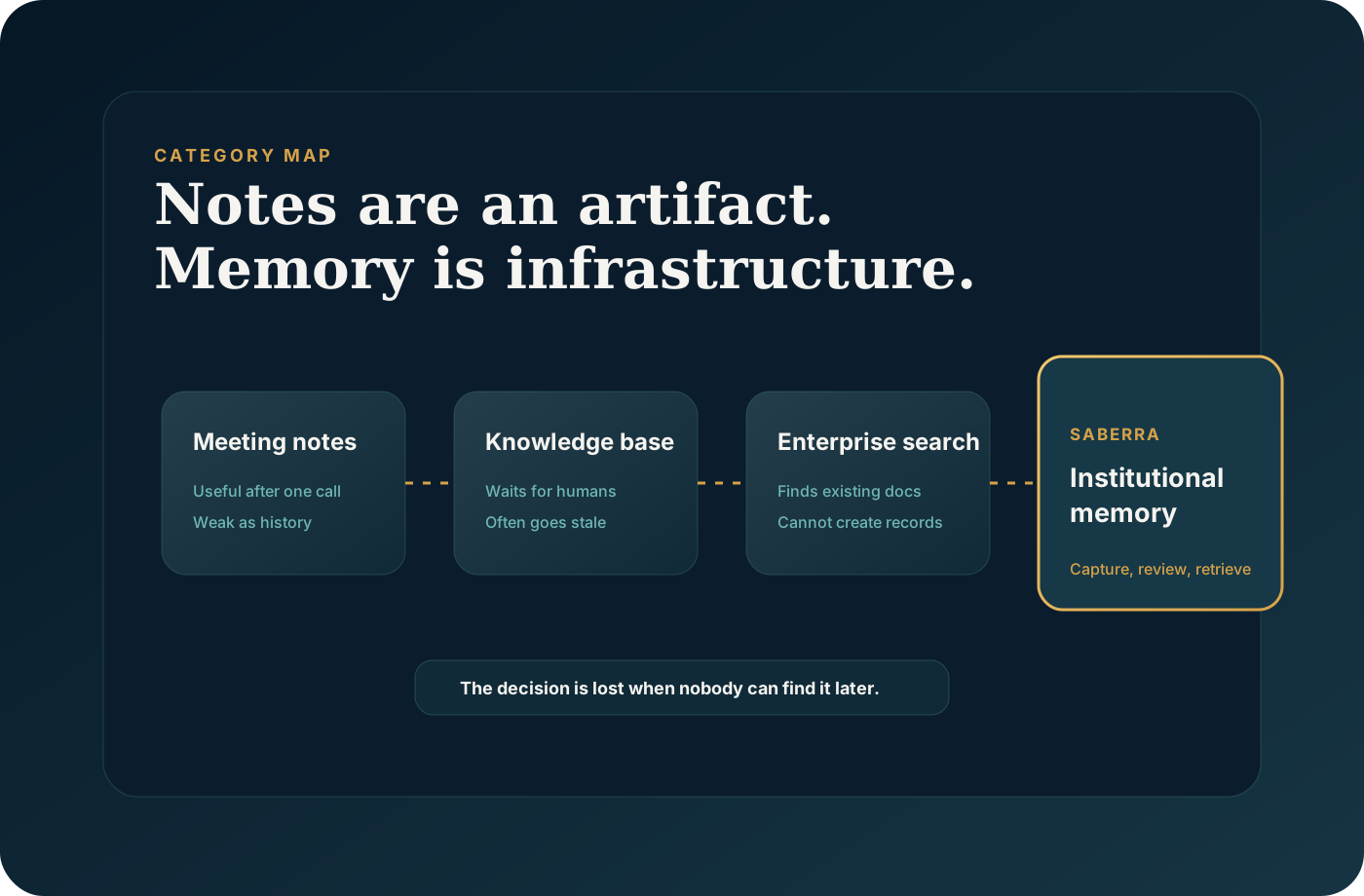
Most teams do not need more notes. They need an AI operations layer that turns work output into records humans can approve.
A free Android app that translates spoken conversations both ways with no internet. Pick two languages or let it auto-detect, press start, and talk.
Read moreThe memory object map: decisions, tasks, risks, roles, policies, commitments, profiles, sources, review queues, and audit trails.
Read moreWhat teams need when decisions, roles, risks, and source records have to survive staff changes.
Read moreThe meeting happened. The decision was made. Now nobody can find it. The team is relitigating the same question.
Read moreThe commitment was in an email thread. Now nobody can find it. What it costs when promises made in email never become records.
Read moreWhy meeting notes still leave teams asking, didn't we already decide this?
Read moreA private backend structure for teams that want decisions, tasks, roles, policies, people, and projects to become inspectable.
Read moreThe difference between summarizing calls and preserving what the organization decided.
Read moreWhy answering from Notion is not enough when the important context never made it into Notion.
Read moreGuru governs knowledge that exists. Saberra captures knowledge that was never written down. An honest comparison of two solutions to two different problems.
Read moreNestr runs governance operations. Saberra preserves the memory of what those operations decided. Why the two layers are complementary and when you need both.
Read morePolsia runs a business autonomously with no human approval gate. Saberra preserves what an existing team decided, with mandatory human review before anything becomes trusted record.
Read moreHow Google Meet output and emailed transcripts become reviewed records your team can ask about.
Read moreWhy departures, founder bottlenecks, and slow onboarding are usually memory problems first.
Read moreHow Teal, Sociocracy, Holacracy, cooperative, and distributed governance teams preserve roles, tensions, and decisions.
Read moreHow democratic workplaces preserve member decisions, role rotations, commitments, policies, and accountability context.
Read moreHow communities preserve stewardship decisions, seasonal rhythms, shared resources, risks, and sensitive context.
Read moreInspect the backend for decisions, tasks, risks, roles, meetings, policies, people, projects, review queues, and source records. Then see how Sera keeps it current from meetings and emails.